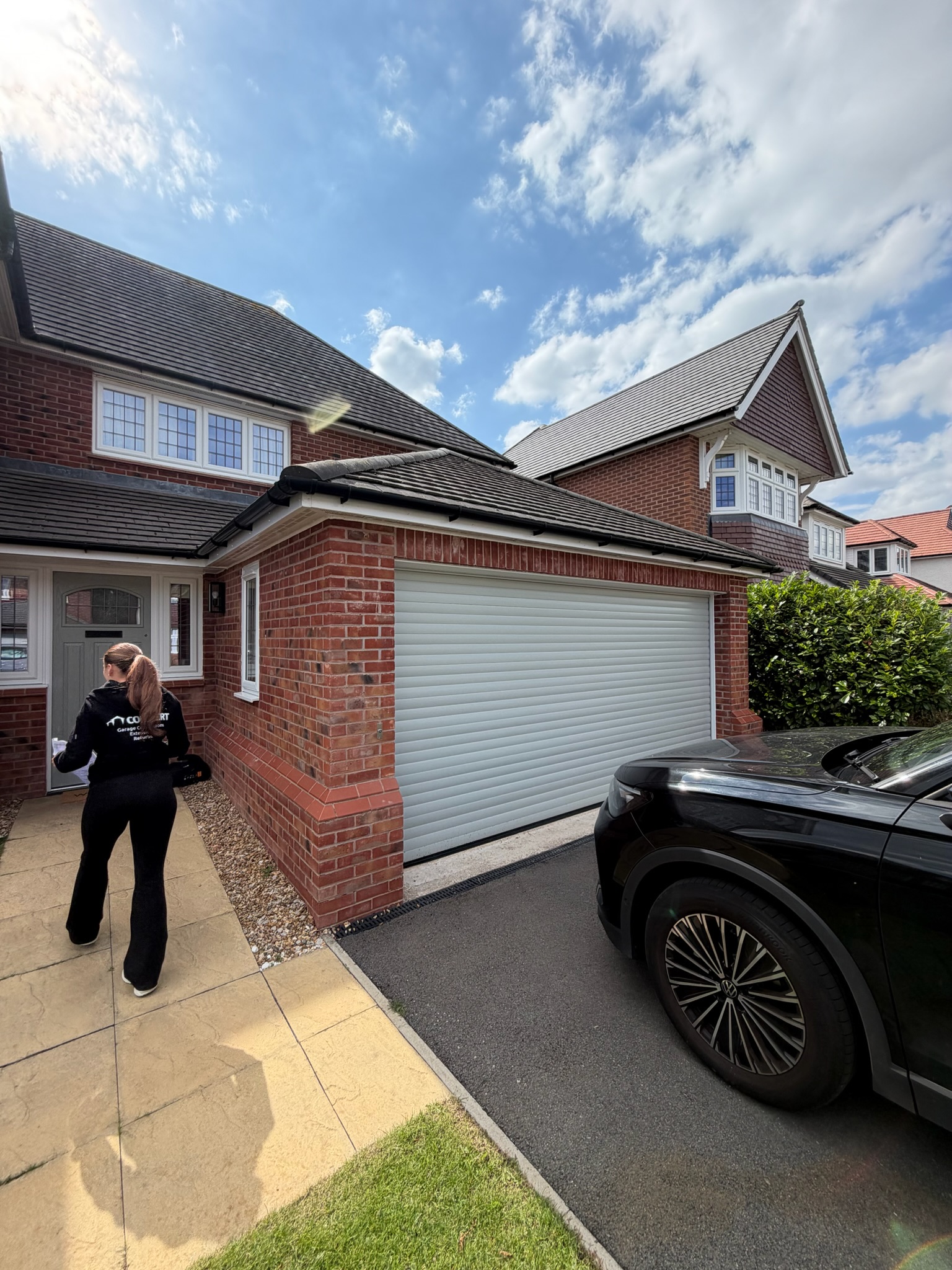
Can You Convert A Garage On A New Build Estate?
You’d expect a newer home to be the easy case. Everything’s modern, nothing’s crumbling, and nobody’s had a go at the garage with a hammer. In practice, converting a garage on a new build estate can be more complicated than on an older house. The garage may have been counted as a parking space, the usual freedoms may have been taken away, and private rules can apply on top of the planning system. None of that means you can’t convert, but it does mean checking before you spend anything.
Why New Build Estates Are Different
When an estate is approved, the council can attach conditions to its planning permission. Some of those conditions affect garages. The developer may also have placed private restrictions on the homes, and a management company may run parts of the estate. So there can be three separate layers to check: planning conditions, permitted development rights and private covenants or estate rules. Each works in its own way.
Planning Conditions: The Garage May Have To Stay A Garage
Many newer estates were approved with parking layouts that count the garage as a space. Some planning permissions include a condition saying the garage or parking space must be kept available for parking. Where that applies, converting the garage can need permission from the council, even though most garage conversions wouldn’t. The condition applies to your house specifically, not to your street as a whole, so you can’t assume your neighbour’s position is yours.
Removed Permitted Development Rights
Most garage conversions are permitted development, meaning they don’t need a planning application. On some estates, the original permission or an Article 4 direction removes those rights, so changes that would normally be allowed elsewhere need an application. You can’t tell this by looking at your house. It’s recorded in the planning history, which is why it needs checking. Our guide to planning permission for a garage conversion explains the wider picture.
Covenants And Estate Rules Are A Separate Matter
A covenant is a private legal restriction attached to the property’s title, often placed by the original developer. Planning permission doesn’t override it, and being allowed to convert under planning law doesn’t mean a covenant allows it. Estate management companies and residents’ rules can add further restrictions on changes to the outside of the house. Who can enforce a covenant varies, and it’s a legal question. We aren’t solicitors, so if one applies, speak to a solicitor.
How To Find Out What Applies To Your Garage
There are a few places to look.
Your council’s planning records. The original planning permission and its decision notice are usually available online. Look for conditions that mention the garage, parking or permitted development.
Your title documents. Your solicitor’s paperwork from when you bought the house, or the documents held by HM Land Registry, show any covenants.
Estate or management company rules. Check anything you were given when you moved in.
Your council’s planning team. If you’re unsure, ask them directly whether a condition applies and whether you need to apply.
What If A Restriction Applies?
It doesn’t always end the idea. A planning condition can sometimes be the subject of an application, and your council can tell you whether you’d need planning permission or an application to vary the condition. A covenant is a legal matter and a solicitor can explain your options. Some homeowners explore a partial conversion that keeps some of the garage, though whether that satisfies a condition is for the council to decide. Our guide on converting half a garage and keeping storage explains how a partial conversion works.
Parking Matters Even When Conversion Is Allowed
Even where nothing restricts the garage, losing a parking space has knock on effects. Councils can have their own parking expectations, and some streets can’t absorb extra cars. Our guide on where you’ll park if you convert your garage covers driveways, front gardens and dropped kerbs.
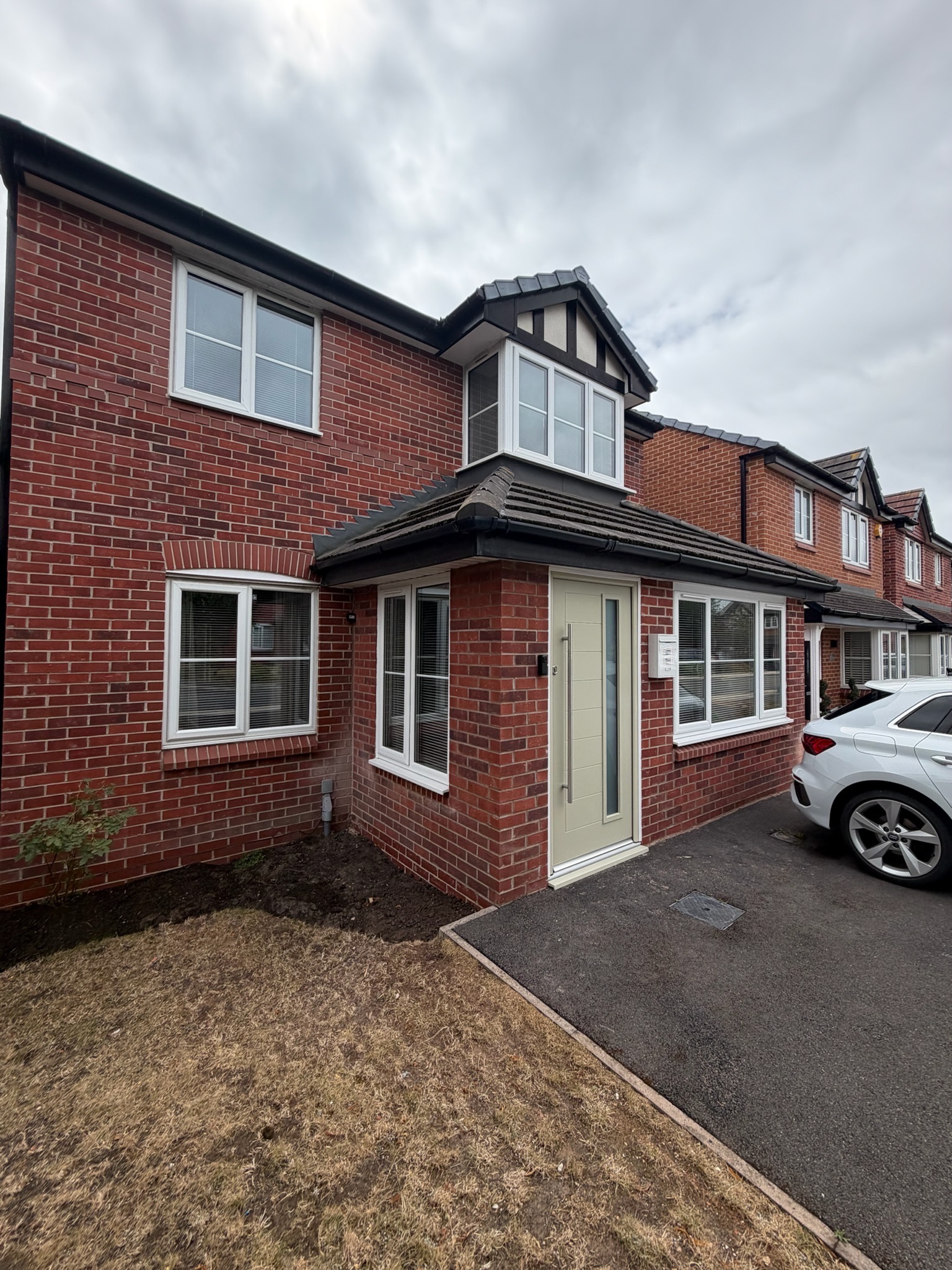
Changing The Outside Of The House
New estates are often designed to look uniform, so changes to the front can be sensitive. Replacing the garage door with a window is a common planning trigger even where other rights apply. One way to avoid an external change is to keep the original door, and our guide on converting a garage without removing the garage door explains how.
Why It’s Worth Checking First
Doing the checks before you commit is far easier than finding a problem afterwards. A council can take enforcement action where a planning condition has been breached, and a buyer’s solicitor may ask about the conversion when you sell. It’s much better to know your position before work starts. Our garage conversion checklist is a useful way to keep track of what to check.
Planning Permission And Building Regulations Are Separate
Planning permission covers whether the change is acceptable to the council, while Building Regulations cover standards such as insulation, fire safety and electrics. Having one doesn’t remove the need to consider the other. Whether Building Control is involved depends on the garage type, any internal access and the use of the room, and we confirm the position for each property.
How Long It Takes And What It Costs
Once the position is clear, a standard single garage conversion typically takes around 5 to 7 working days and costs about £12,000 to £15,000 plus VAT. A standard double garage conversion typically takes around 10 working days and costs about £14,000 to £18,000 plus VAT. These are guides, and any planning or legal steps are separate.
Frequently Asked Questions
Can you convert a garage on a new build estate?
Often, but it needs checking first. Planning conditions, removed permitted development rights and private covenants can all restrict a garage on a newer estate.
How do I find out if my garage has a planning condition?
Look up the original planning permission and its decision notice on your council’s planning records, or ask your council directly. Look for conditions mentioning the garage, parking or permitted development.
Does permitted development apply to new build homes?
Sometimes, but the original permission or an Article 4 direction may have removed those rights, so you can’t assume they apply.
What is a covenant, and does planning permission override it?
A covenant is a private legal restriction on the property. Planning permission doesn’t override it, so you need to check it separately. We aren’t solicitors, so speak to one.
What happens if I convert without checking?
If a planning condition has been breached, the council can take enforcement action, and a future buyer’s solicitor may ask questions. It’s much safer to check before work starts.
Can I convert part of the garage?
Sometimes. A partial conversion may be an option, but whether it satisfies a condition is for the council to decide.
Why Choose Convert Your Garage
We’ve been converting garages since 2002, and we know that new build homes bring their own questions. As a family run company founded by Jim Allsop, with over 4,400 garage conversions completed across Greater Manchester and the North West, we’re happy to talk through your plans. Our surveys and quotations are free and no obligation, and every conversion comes with a 10 year warranty.
How To Contact Convert Your Garage
Convert Your Garage
Established in 2002
4,400+ completed garage conversions
30+ industry awards
10 Year Warranty
If you’d like to talk through your project, we’re always happy to help, whether you’re ready to book a free survey or still at the research stage.
Telephone: 0161 766 6518
Website: https://www.convertyourgarage.com
Facebook: https://www.facebook.com/convertyourgarage/?locale=en_GB
